
YEAR ROUND MOTORCYCLING – THE CHANGING SEASONS
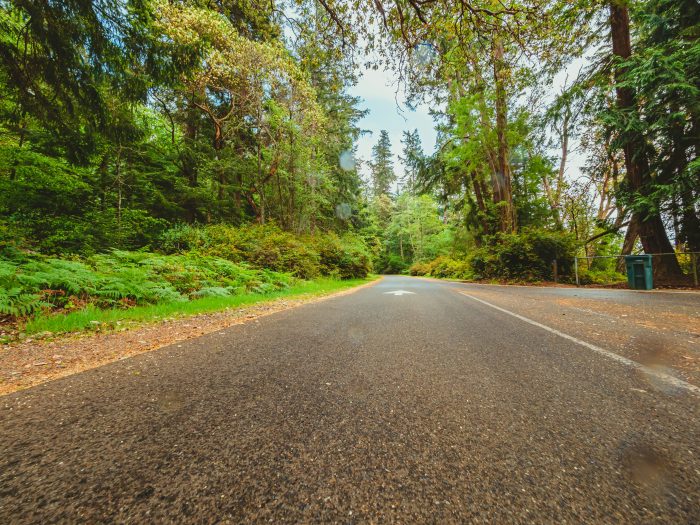
Photo by Sofia Shultz on Unsplash
While some riders choose to hibernate their bikes at a certain point of the year, for those who ride all year, especially those who are new to motorcycling, we have put together a memory jogger list to ensure you get the most from your bike.
1. WINTER – Choose versatile riding gear. Layers, thermal liners, heated kit, and windproof layers are all useful kit to have.
2. WINTER – We’re sure you don’t need to hear this but in wet or icy conditions, reduce speed and increase stopping distance.
3. WINTER – riding caution is needed around gritted roads and its effect on your motorcycle; obviously ungritted roads also needs equal but different considerations. Dress in layers to stay warm, perhaps installing heated grips/get heated gloves for added comfort.
4. SPRING AND AUTUMN – can be unpredictable. Since this is the UK, take layers to cope with the typical three seasons in one day scenario!. Watch for wet leaves (autumn) and be mindful of downpours (year round)..
5. SUMMER – In warmer seasons, opt for breathable and well-ventilated gear. Always wear appropriate safety gear, including helmets, gloves, jackets, pants, and boots. Perhaps invest in a helmet with built in sun visor
6. SUMMER – In hot weather, stay hydrated, take regular breaks, and be mindful of the potential for heat exhaustion.
EVERY RIDE
7. Ensure your visibility to other road users; for example using reflective gear and keeping your motorcycle’s lights clean and functional. Use high-vis clothing and accessories.
8. Modify your riding, your kit and your speed according to conditions; check out the weather forecast before each ride and plan your route based on the forecast to ensure a comfortable and safe ride.
9. keep an eye out for changing road conditions and hazards and adjust your riding style accordingly.
Once you are good to go, get out and about, stay safe, and have a great ride! And don’t forget that many of the things you need for maintenance are available from Bickers.
10. Regular checks and maintenance of crucial components such as brakes, lights, and fluids. Tyre checks and ensuring the pressure is at the optimal level.
Comments are closed here.